










A business relocation does not have to mean putting normal operations on hold. For a Dunedin company, the more useful approach may be to divide the transition into stages: move what is needed first, place surplus assets somewhere secure, and bring the remaining items into the new workspace when there is room for them.
That kind of flexibility can be particularly valuable when lease dates, renovations, employee schedules, and deliveries do not line up perfectly. Commercial moving and storage services give businesses another way to manage the transition without turning the new location into an overcrowded warehouse.
Storage Can Solve the Timing Problem
A company may have more possessions than its new premises can accommodate immediately. Extra desks, archived materials, display equipment, spare furniture, seasonal supplies, and unused inventory can all compete for valuable workspace.
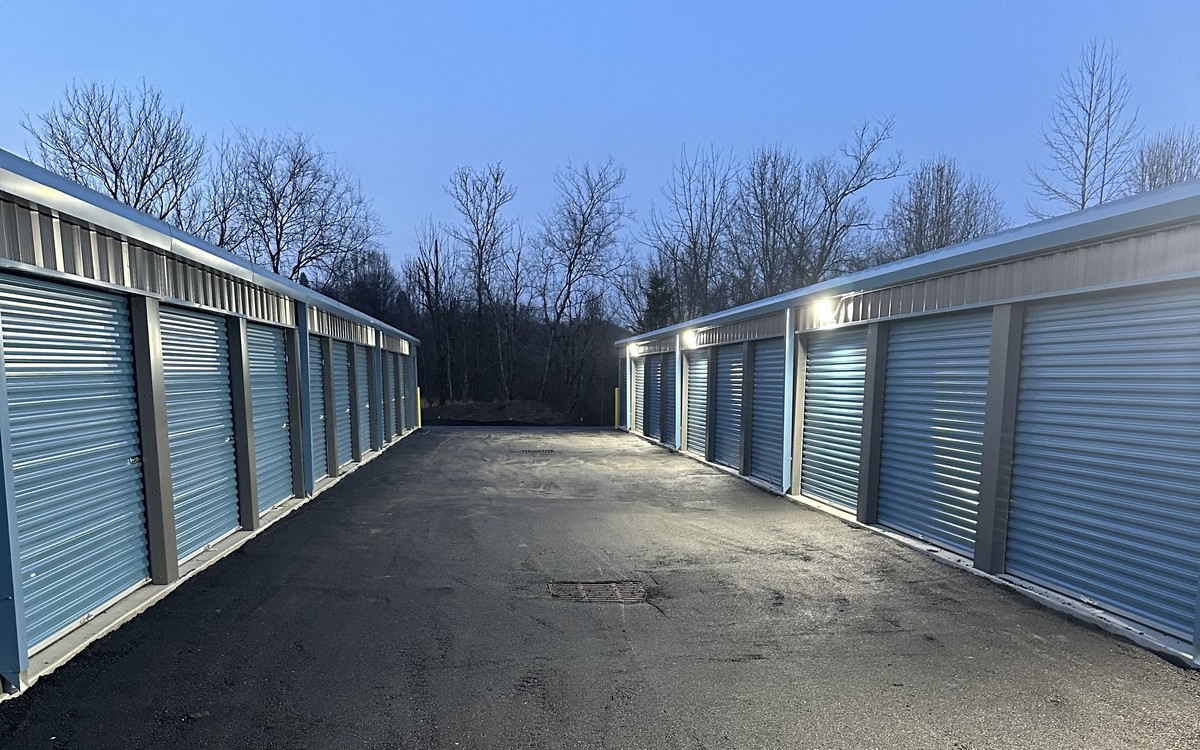
Rather than moving everything directly into the new office, selected items can be placed into storage until they are actually required. The moving and storage options available through https://dunedinmovers.com/moving-and-storage/ can be incorporated into a broader relocation strategy when a business needs more flexibility.
Store What Does Not Need to Be There Yet
The key is to decide which assets support immediate operations and which can wait. This distinction can make a major difference in how efficiently the new premises are prepared.
A business might prioritize reception furniture, employee workstations, essential equipment, and meeting-room furnishings while temporarily storing surplus items.
Build the Move Around Business Priorities
Not every department needs to relocate at the same time.
A company can create a sequence based on operational importance. Administrative areas might move first, while customer-facing operations remain active. Alternatively, furniture and equipment can be transported after working hours so employees return to a more complete workspace the next morning.
Protect the Critical Work Areas
Before anything is loaded, identify the parts of the business that must become functional first. This might include reception, management offices, customer service areas, conference rooms, or specialized workspaces.
Having those priorities established gives the relocation a practical direction instead of treating every item as equally urgent.
Dunedin Businesses Have Different Moving Requirements
A small professional office, retail operation, warehouse, and healthcare-related business can have completely different inventories.
For some companies, the majority of the move may involve desks and computers. Others may need shelving, merchandise, office equipment, machinery, or large quantities of supplies transported.
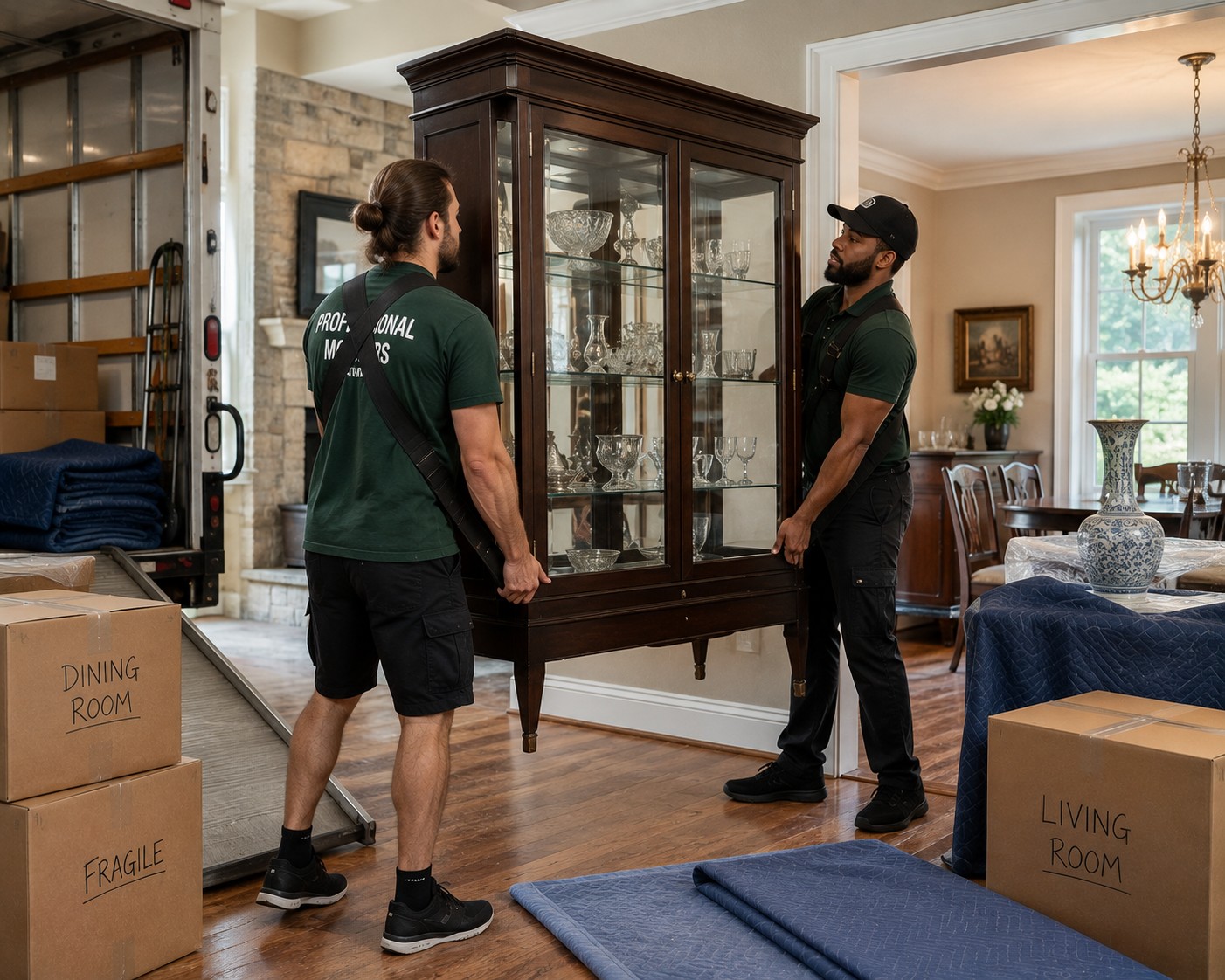
Dunedin Movers https://dunedinmovers.com/ can help businesses coordinate appropriate loading, transportation, unloading, and furniture handling as part of a commercial relocation.

Create Separate Inventories
Dividing the inventory by department or destination area can make unloading considerably easier. Each group can be labeled according to where it belongs in the new facility.
This is particularly helpful when several teams are unpacking at once.
Furniture Placement Should Follow the New Floor Plan
Moving furniture without considering the destination layout can create unnecessary work. A new office may have different room dimensions, windows, electrical outlets, entrances, and meeting areas.
Before delivery, determine where major desks, cabinets, conference tables, and reception furniture should go.
Once large pieces are positioned correctly, smaller equipment and supplies can be organized around them. This avoids repeatedly shifting heavy furniture after employees have already begun setting up their work areas.
Don’t Let Storage Become an Unmanaged Back Room
Temporary storage works best when it remains organized.
Businesses should keep a basic inventory of stored assets and label boxes or furniture clearly. Items likely to be needed soon should remain easier to retrieve than materials intended for long-term storage.
Think About the Next Move Before This One Ends
If stored furniture may eventually return to the office, arrange it with future access in mind. A little organization now can prevent hours of searching later.
Storage should provide additional capacity, not become another location where important assets disappear.
A Relocation Can Be an Opportunity to Reset
Moving offices gives management a chance to reconsider how space is used. Old furniture can be removed, surplus equipment can be stored, and departments can be arranged around current business needs rather than simply reproducing the previous layout.
For companies in Dunedin, combining professional transportation with flexible storage can make that transition considerably easier. Instead of forcing the entire operation through one hectic moving day, the business can use a staged approach that protects productivity while gradually turning the new premises into a functional workplace.


3 thoughts on “When the Office Moves but the Business Keeps Going”