










For a remote employee, relocating from Boston to San Francisco can look deceptively simple. There is no daily office commute to coordinate, yet work still has to continue while an entire household crosses the country. A laptop, reliable internet connection, comfortable workspace, and predictable routine may be just as important as the furniture being transported.
That changes the way the relocation should be organized. Instead of treating work as something that resumes after unpacking, build the move around the conditions required to keep working throughout the transition.
Protect Your Workday From Moving Day
Start by identifying the days when you absolutely need uninterrupted access to your equipment. If you have important meetings, presentations, or deadlines, avoid scheduling them during the most demanding stages of the relocation.
Your personal computer and essential accessories should remain under your control. Do not place the equipment you depend on for work inside the main shipment if you can reasonably travel with it.
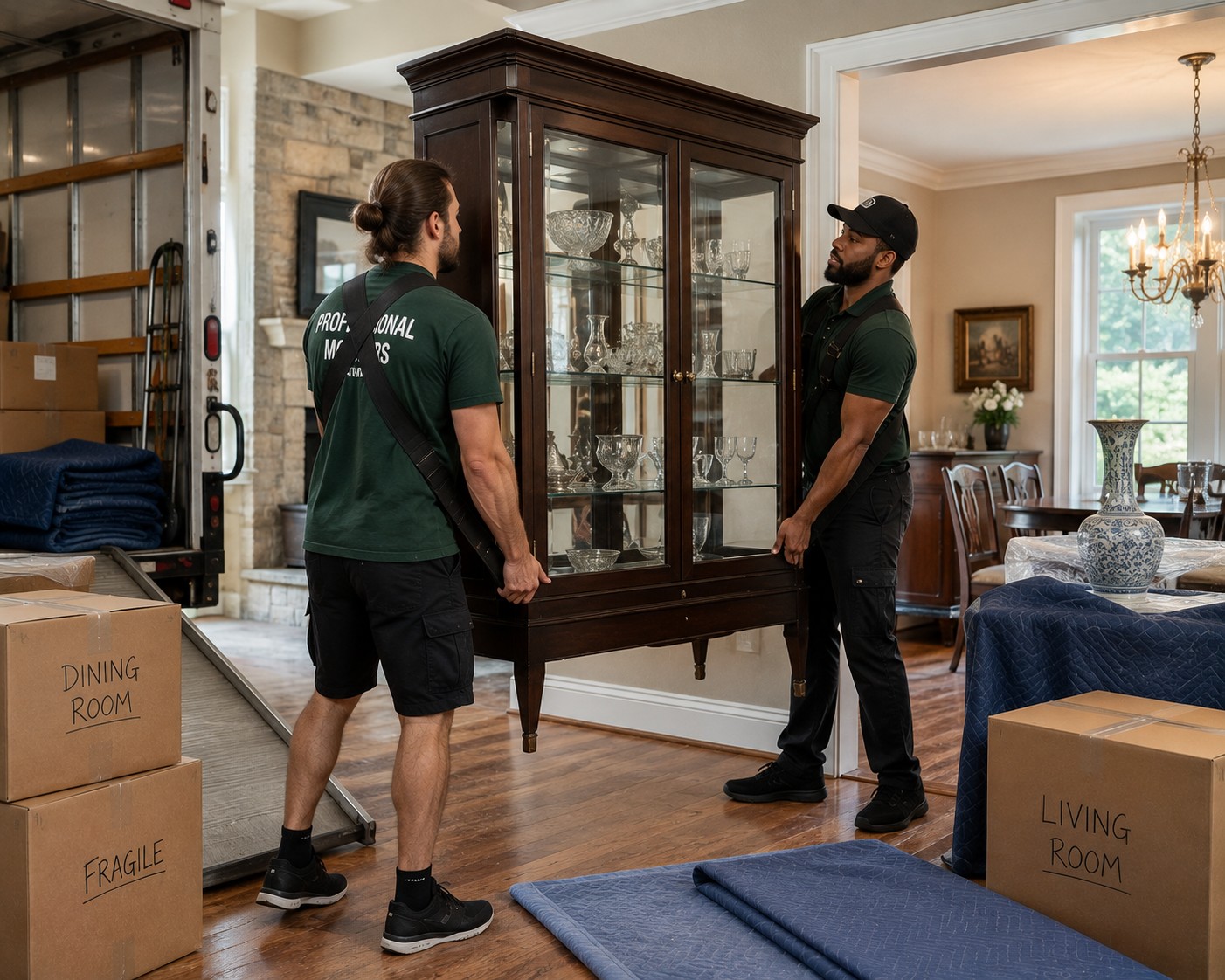
For employees arranging moving help boston, it is useful to distinguish between household possessions and business-critical technology from the beginning.
Build a Portable Office
Create a small work kit that can travel with you. It might include:
- Laptop and charger
- Headphones
- Mouse and keyboard
- External storage
- Necessary documents
- Power adapters
- A compact second screen if practical
Keep everything together so you can establish a temporary workspace without searching through moving boxes.
Plan the New Workspace Before You Arrive
Remote work makes the destination apartment more than a place to sleep. It needs to support concentration and reliable connectivity.
Before moving day, consider where your desk will fit best. Look at natural light, noise, electrical outlets, room dimensions, and the distance from areas with frequent household activity.
If you are moving into a smaller San Francisco apartment, you may need to create a dual-purpose office rather than dedicating an entire room to work.
Think About Connectivity Early
Internet installation should be part of the relocation calendar. Arrange service as early as possible and confirm when the connection will become active.
If there may be a gap, identify a temporary alternative such as a coworking space, library, or suitable mobile connection. Having a backup option can be valuable when a workday cannot wait for a technician.
Let the New Apartment Influence the Shipment
A remote employee may not need the same household setup after moving across the country. The San Francisco property could have a different layout, storage capacity, or workspace arrangement than your Boston residence.
Before packing, reconsider large furniture. A bulky dining table might take up valuable working or living space, while a comfortable ergonomic chair could be worth prioritizing.
The Boston-to-San Francisco route information at https://bostonjusthelpersmoving.com/boston-to-san-francisco/ can be part of your broader planning process when organizing the transportation timeline.

Give Office Equipment Special Attention
Monitors, desktop computers, printers, standing desks, and ergonomic chairs can require different handling from ordinary household belongings.
Photograph complicated setups before disassembly and label cables. For expensive equipment, record condition details before packing and use suitable protection during transportation.
Create a Schedule With Breathing Room
A cross-country relocation rarely benefits from a calendar packed with commitments. Give yourself a buffer between expected delivery and important work obligations.
If your schedule allows, take a day or two to establish the new home before returning to a full workload. Use that time to arrange the desk, test the internet connection, unpack essential equipment, and eliminate obvious distractions.
moving help boston can simplify the physical side of the transition, but having enough time around the move is equally important for someone whose income depends on staying productive.
Keep Your First Days Functional
You do not need a completely furnished home to work effectively. You need the right essentials.
Set up your workspace before worrying about decorative details. Make sure your chair, desk, monitor, lighting, and internet connection work properly. Then establish the bedroom and kitchen so basic daily routines remain comfortable.
Separate the “Work Now” Boxes
If certain household boxes contain office equipment, label them clearly. These should be among the first cartons opened after delivery.
A box containing monitors and cables should not disappear into a stack of miscellaneous possessions when your next meeting is scheduled for the following morning.
Adapt to the Bay Area Without Losing Your Routine
Moving from Boston to San Francisco can change more than your address. The neighborhood, climate, transportation options, and daily environment may all feel unfamiliar at first.
Maintaining a few familiar habits can help create stability. Keep regular working hours, establish a consistent workspace, and gradually explore the surrounding area outside those hours.
For remote employees, moving help boston can remove some of the physical burden of relocation, leaving more energy for the professional and personal adjustments that follow.
A successful Boston-to-San-Francisco move is not measured by how quickly every box disappears. It is measured by how quickly your new home becomes functional enough to support the life you are building there. Protect your technology, plan connectivity early, choose furniture according to the new space, and give yourself a realistic transition window. Then the move becomes a change of environment—not an interruption to your ability to work.


2 thoughts on “From Boston to the Bay Area: Designing a Move Around Remote Work”