










Some belongings need to be packed away because life has temporarily stopped following its usual pattern. A family may be between homes, someone may be relocating for work, a property may be undergoing extensive renovation, or a major personal change may make it impossible to keep everything in one place.
In these situations, storage should not be treated as a simple place to leave unwanted boxes. A long-term arrangement needs structure from the beginning. The better the belongings are prepared and organized, the easier it becomes to retrieve something, update the collection, or eventually move everything to its next destination.
Identify Why the Belongings Are Going Away
Start by defining the transition itself. The reason for storage will influence how frequently you need access and how carefully certain items should be organized.
A temporary relocation may require regular access to household essentials. An extended overseas assignment could mean that most possessions remain untouched for a considerable period. A renovation might require furniture to stay protected until individual rooms are completed.
Establish a realistic storage horizon
Think in terms of likely scenarios rather than one exact date.
Ask:
- Which belongings may be needed unexpectedly?
- Which items will probably remain untouched?
- Could the storage period become longer?
- Is there a known future destination?
- Will additional possessions be added later?
This information helps create a more useful Long-Term Storage strategy.
Sort Belongings Before They Leave Home
Storage space should not become a destination for everything you are reluctant to decide about.
Separate belongings into practical groups before packing. Items that no longer have value or purpose can be donated, sold, recycled, or discarded instead of occupying storage space for years.
Keep valuable, sentimental, frequently needed, and difficult-to-replace possessions clearly identified.
Price Movers offers moving and storage-related solutions for households navigating different types of transitions. General information is available at https://pricemovers.com/.
Pack for the Duration, Not Just the Journey
Belongings that may remain packed for a long period deserve more attention than items intended to be unpacked next week.
Clean clothing, furniture, and household goods before packing. Make sure everything is completely dry, particularly textiles and other materials that can retain moisture.
Use sturdy containers and appropriate protective materials. Fragile objects should be individually wrapped, while furniture surfaces may require protection against scratches and dust.
Do not create unnecessarily heavy boxes
Books, records, and other dense materials should be divided into manageable containers. Heavy boxes can be difficult to move later and may place excessive weight on items underneath them.
A well-organized storage collection should be practical to handle as well as space-efficient.
Build an Inventory You Can Understand Later
Months or years can pass surprisingly quickly. An inventory prevents your future self from having to guess what is inside every container.
Assign a unique number to each box and record a short description of its contents.
For valuable belongings, add photographs, serial numbers, condition notes, or other identifying details.
A digital inventory can be especially useful. Keep a backup in a secure location so that the information remains accessible even if your computer or phone changes.
Organize Around Future Access
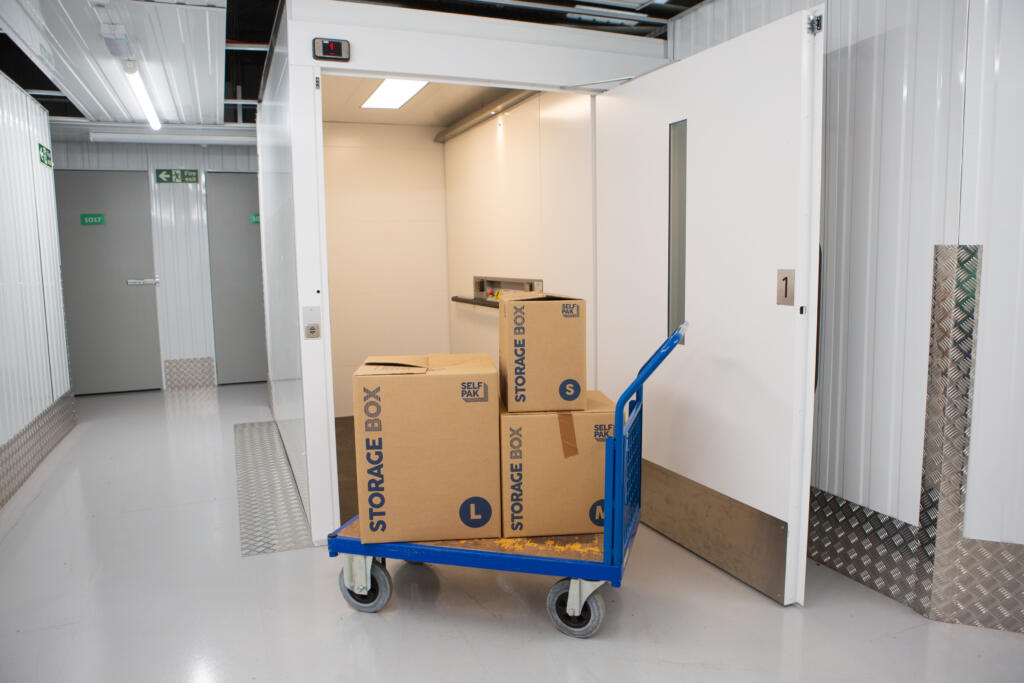
Not everything in storage has the same retrieval priority.
Create an accessibility hierarchy
Place potentially needed items where they can be reached without moving the entire collection. Seasonal clothing, important household equipment, business materials, or documents may deserve easier access than decorations or archived possessions.
Label containers clearly and group similar categories together.
If the collection is large, create a simple map showing where major categories are located. This can turn a confusing storage area into an organized extension of your household.
Reconsider Furniture and Large Possessions
Furniture often requires the most planning because it occupies substantial space and can be difficult to move repeatedly.
Disassemble large pieces when appropriate, keeping all hardware in labeled bags. Photograph complicated furniture before taking it apart so that future reassembly is easier.
Do not stack heavy objects on delicate surfaces. Upholstered furniture and finished wood pieces should receive suitable protection rather than being treated like ordinary boxes.
Prepare for the Possibility of Change
Major life transitions rarely follow a perfectly predictable schedule. A temporary relocation may become permanent, a renovation can take longer than planned, or a new home may become available earlier than expected.
Long-Term Storage should therefore allow for changes without requiring the entire collection to be reorganized.
Review the inventory periodically. Update it whenever something is removed, added, donated, or relocated.
For households that need coordinated moving assistance during a transition, more information about Price Movers can be found at https://pricemovers.com/.
Give Every Stored Item a Future Purpose
A useful storage plan is ultimately about more than preserving possessions. It creates clarity during a period when other parts of life may already feel uncertain.
When belongings are carefully sorted, properly protected, clearly labeled, and easy to locate, storage becomes a controlled part of the transition rather than another source of stress.
Whether the next step is returning home, moving across the country, settling into a renovated property, or starting an entirely different chapter, an organized Long-Term Storage system keeps possessions ready for whatever comes next.



2 thoughts on “When Life Is in Transition: Building a Long-Term Storage Plan That Works”