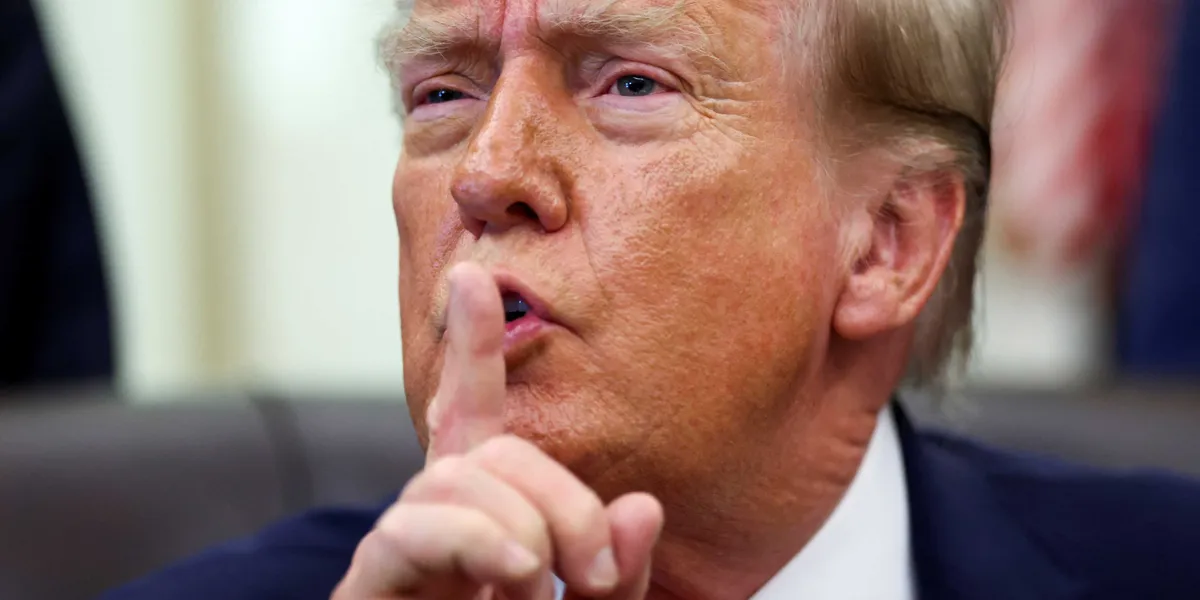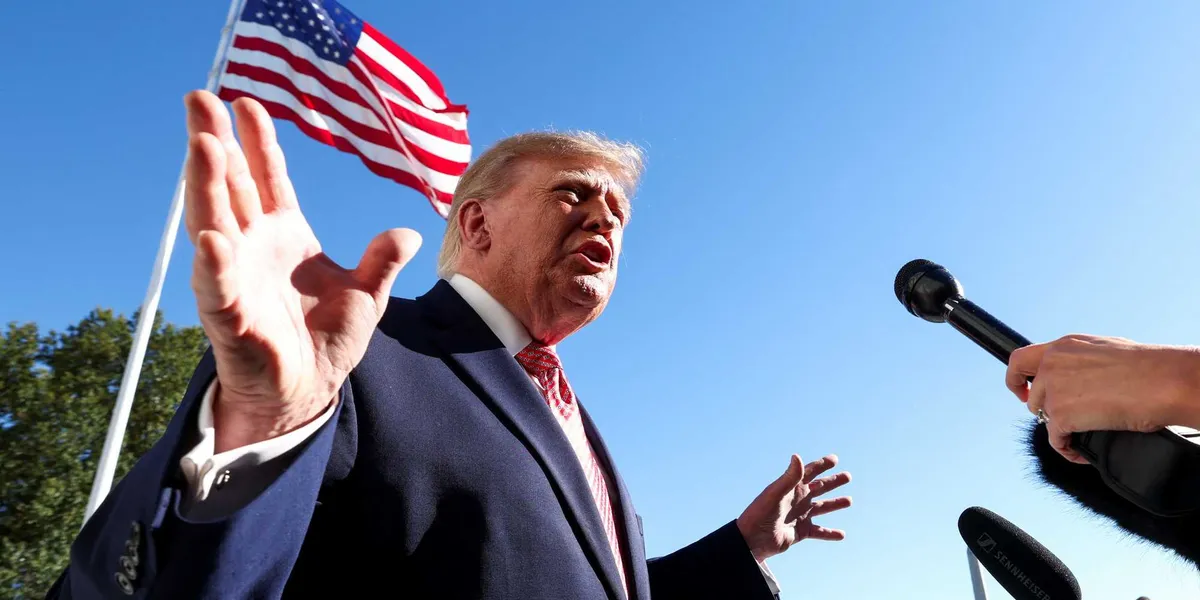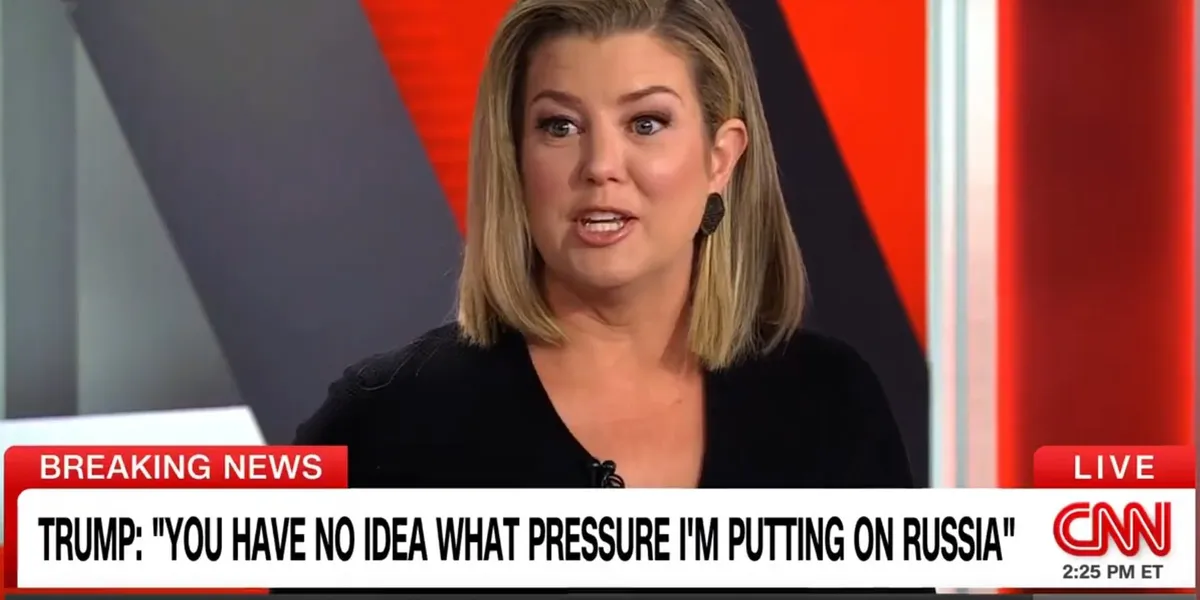





President Donald Trump has long attempted to deny the sour state of America’s economy, even as rampant inflation causes millions of people to struggle to make ends meet. Yet on Wednesday, during a rally in Las Vegas, the president doubled down on his claim that the economy is improving — even as he acknowledged that things may get worse due to his ongoing war against Iran.
Read more GOP Senate leader has two-words to describe Trump’s prospects there
“Remember, we inherited the worst inflation in the history of our country,” Trump said. “We took over — what a mess it was, and we were bringing down prices and we brought down prices and nobody can believe what is going on.”
At that point, Trump admitted that oil prices remain high, a condition significantly exacerbated by Iran taking control of the Strait of Hormuz.
“When oil goes down, and it’s going to go down very rapidly and is already happening, we may have to send it up again, we may have to — you know what happens when we send it up,” Trump said. “But we don’t have to. But when that oil and gasoline go down, everything else follows. But we have done a great job at reducing prices and we have done an unbelievable job in making our country really, really respected and successful again.”
He also proceeded to brag about bringing drug prices down, making unsubstantiated claims that during his administration “we are delivering the largest prescription drug price cuts in the history of our country with price differences of- 400 percent, 500 percent and 600 percent.”
Speaking with AlterNet in April, Dr. Ed Gresser, Vice President and Director for Trade and Global Markets at the Progressive Policy Institute, explained that Trump’s war against Iran will not cause gas prices to drop, despite claims like the one he made on Wednesday.
“I would guess that yes, destruction of Iranian (and some other) energy facilities in the Persian Gulf area will have at least a medium-term effect keeping prices for crude oil and chemical fertilizer high, and that in turn means gasoline prices may come down only slowly,” Gresser told AlterNet. “Same for other petroleum-based products such as plastics, skin creams, and so on. The high potential of conflict also adds risk premiums to shipping and other costs.”
Read more Bezos’ Post blasts Trump for turning on Big Oil
He continued, “Longer-term, lots of open questions. One is whether the administration will really concede that Iran has a right to close the Strait of Hormuz and assess tolls on shipping passing through it. That would make the smaller Gulf monarchies and to some extent Iraq reliant on Iranian good will for all of their exports. Likewise, Asian countries are the main buyers of Persian Gulf energy, and their supplies would be much less secure.”
Gresser’s view was reinforced by Dr. Robert Shapiro, who served as a top economic adviser to President Bill Clinton.
“Even if hostilities do not restart, the price of oil will not return to pre-Trump levels because there’s a new risk premium that they could restart at any time, increasing tanker insurance costs for example, and because oil infrastructure has been degraded, reducing supply for some time,” Shapiro told AlterNet. “An Iran-controlled toll to use the Strait will produce big bucks for Iran, but its impact on world prices for oil, natural gas, helium, etc. should be minimal. Another source of economic friction will be the now-intense uncertainty about what the Trump administration will do next—in the Mideast and in scores of policies at home; and uncertainty dampens investment.”
He added, “As it is, the economy was weakening before this crisis began, and these and other factors will exacerbate those downward pressures. A resolution over the next two weeks will not stop the deterioration in economic conditions.”
In response to these criticisms, White House spokeswoman Taylor Rogers told AlterNet that “the United States’ energy dominance status, as the world’s leading producer and a top exporter of oil and natural gas, has positioned us to not rely on the free flow of oil through the Strait of Hormuz like other countries. If anything, Operation Epic Fury actually underscored the importance of producing reliable, affordable, and secure energy here at home. Many of our allies that have tried transitioning to intermittent and unreliable renewable energy sources have predictably failed to break their reliance on foreign oil that goes through the Strait.”
She concluded, “Several countries from around the world are now looking to emulate the President’s energy dominance agenda and are advancing new partnerships that enhance their energy security with the United States.”
Read more Lawmaker vows retribution to Trump for ‘stealing’ soldiers’ resources
– YouTube youtu.be