
Cybersecurity experts have been warning that as bad as online hacking is now, it will grow much worse as artificial intelligence (AI) continues to advance. But with or without AI, hackers are penetrating some major U.S. government websites — including those operated by the military.
Read more Trump’s war on expertise has left US national security in the hands of amateurs
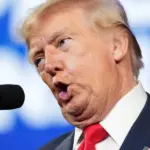
According to Cyberscoop (which specializes in cybersecurity news) and the Daily Beast, the U.S. Army temporarily took some of its sites offline after hackers used them to insult U.S. President Donald Trump.
The Daily Beast’s Will Neal reports, “The messages, first reported by cybersecurity news outlet CyberScoop, contained pro-Kurdish slogans along with messaging like ‘the US president is a…. thief. f–– Trump [and] Tom Barrack’ — a reference to the U.S. ambassador to Turkey. Trump has spent the past two days at a NATO (North Atlantic Treaty Organization) summit hosted by the Middle Eastern country, itself a member of the alliance. Turkey has waged a decades-long conflict with its Kurdish minority centered on the militant PKK, which both Washington and Ankara have designated a terrorist group.”
Cybersecurity researcher Ronald Lovelace, Neal notes, “was the first person to uncover the hacks” and notified CyberScoop and the U.S. Army.
According to CyberScoop’s Derek B. Johnson, “Lovelace said the affected sites run on WordPress and Microsoft cloud infrastructure. It’s not clear how long the subdomains have been compromised or whether other subdomains are affected.”
Lovelace told CyberScoop, “It raises the severity a decent amount because it shows it’s a bit deeper than just one single path (that’s being corrupted).”
Read more Trump triggers new health alarms with avalanche of gaffes at key meeting
Neal points out that the hacking of the U.S. Army websites is “not the first time a security breach has embarrassed the Pentagon since Trump retook the White House last year.”
“Defense Secretary Pete Hegseth notoriously shared sensitive details of planned military targets against Iranian proxies in Yemen with a group chat on the encrypted messaging app Signal,” Neal explains. “It later transpired that one of its members, who included top Cabinet members, had accidentally added a journalist to the group.”
The journalist Neal is referring to is The Atlantic’s Jeffrey Goldberg, who, on March 24, 2025, reported that he had been wrongly added to a private discussion by Trump administration officials. That scandal was dubbed “Signalgate” in media reports.
Neal notes, “The Daily Beast also reported, in March, that Hegseth has since handed $100 million in contracts to protect IT systems at U.S. facilities worldwide to a tech firm previously hit by a massive breach that saw criminals make off with sensitive personal data from at least 45,000 people.”
Read more Trump administration messed up another water feature in DC with algae and dirt