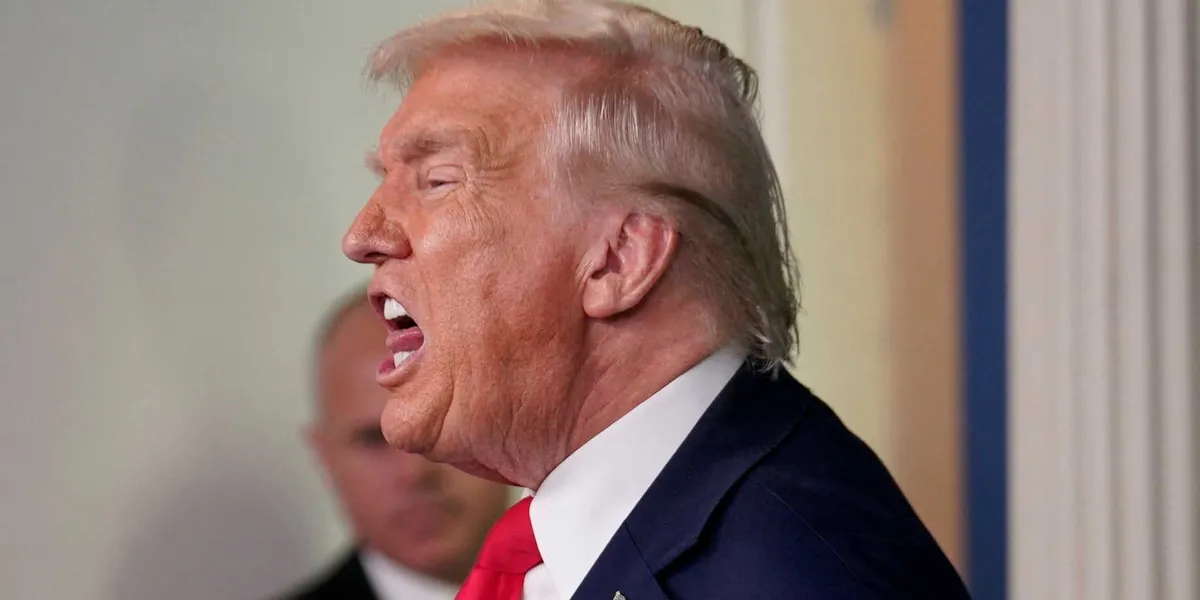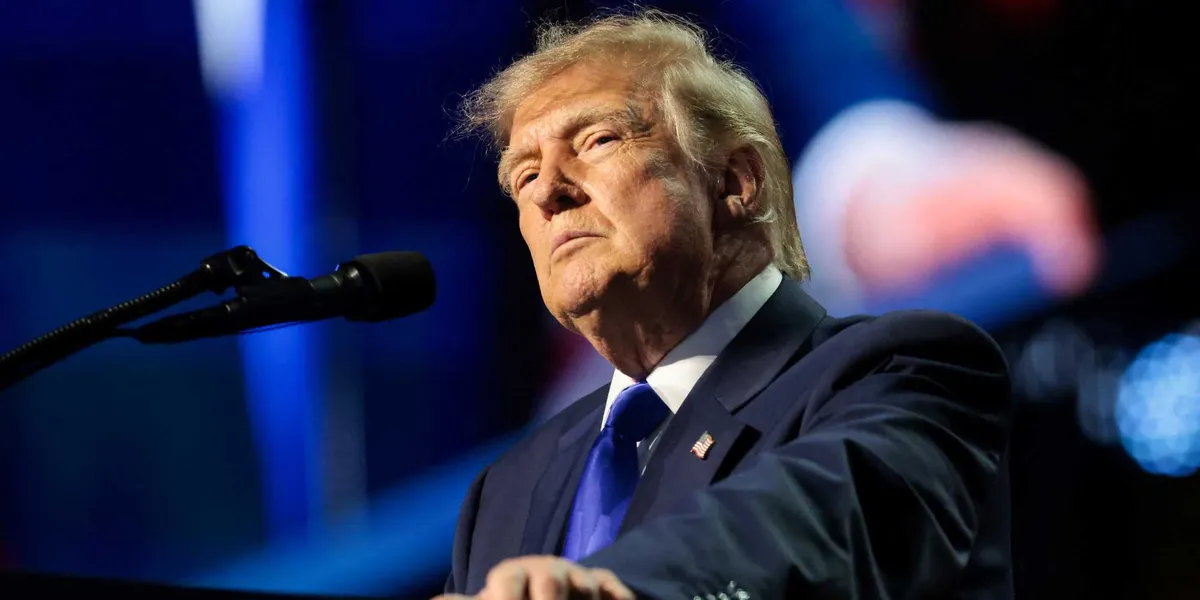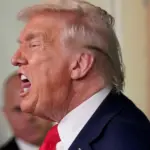
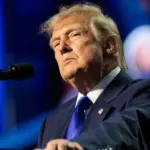
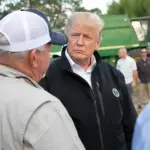

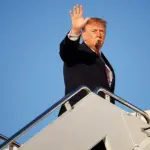

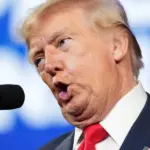
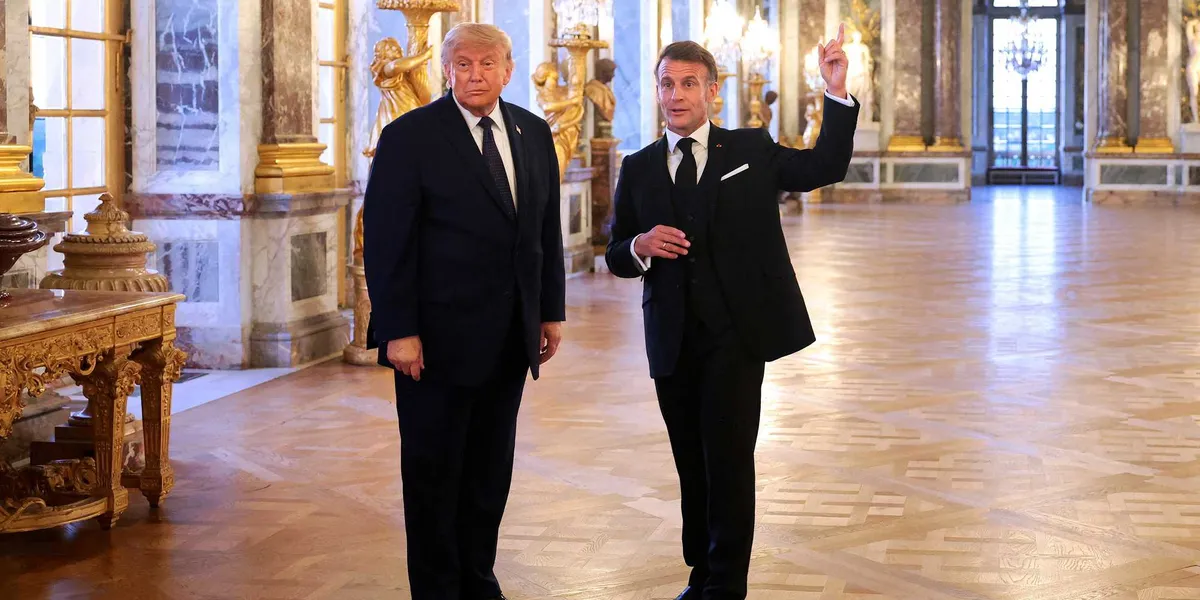
On the last day of the G7 Summit in Évian-les-Bains, France, U.S. President Donald Trump described his ceasefire agreement with Iran as “historic” and claimed that other G7 leaders “love this deal” because they “want to see” the U.S./Iran war “over.” But the conservative website The Bulwark has a very different take on the deal, arguing that Trump is saying “the quiet part out loud” and acknowledging, in effect, that “he had to choose between surrender” to Iran and “economic disaster.”
Read more Republican begs Trump to stop putting ‘lives at risk’ with petty delay tactic
Trump’s deal draws scathing critiques from Bulwark journalists Bill Kristol and Andrew Egger in articles grouped together under the headline “The Art of the Yield” — as in Trump yielding to the far-right Islamist regime in Iran. Egger, in his article, describes the Iran deal as Trump “chickening out,” while Kristol, in his piece, argues that Trump is struggling with both a failed foreign policy and a failed economic policy.
Kristol’s article is headlined “Donald J. Hoover,” and he notes that Trump mentioned GOP President Herbert Hoover “not once, but twice” during the G7 Summit.
“The references to Hoover were revealing,” Kristol explains. “For all that Trump wanted to pretend his new Iran deal was a good one that he negotiated from a position of strength, Trump was inadvertently acknowledging the opposite: He believed he needed a deal, any deal, because of the possibility of a global economic collapse due to the closure of the Strait of Hormuz. In other words, Iran was winning, and Trump cried ‘uncle.'”
Two one-term U.S. presidents Trump fears being compared to, according to Kristol, are Republican Hoover and Democrat Jimmy Carter.
Read more Strategist places blame for Iran debacle squarely in the hands of Trump’s enablers
Hoover, elected in 1928 and inaugurated in 1929, had been in office less than a year when the Great Depression started. And he became so unpopular that in the early 1930s, homeless camps came to be called “Hoovervilles” in media reports. Liberal then-New York Gov. Franklin Delano Roosevelt, 1932’s Democratic presidential nominee, defeated Hoover by roughly 18 percent in the popular vote and picked up 472 electoral votes.
“Even before he started the war with Iran,” Kristol observes, “Trump feared winding up with a reputation like Jimmy Carter’s. But then, he discovered a legacy perhaps even less desirable: Herbert Hoover’s. He thought the Iranian regime had him over a barrel — not because of a hostage crisis, but with the threat of global economic disaster. And so, he capitulated…. Of course, the peace deal is no guarantee we won’t in fact slide into a recession. Iran’s new control of the Strait (of Hormuz), along with the demonstration of American weakness before the whole world, increases global uncertainty and risk going forward, and therefore increases the chances of a downturn.”
Kristol continues, “So Democrats need to hammer the message home: The economy is bad. It was already bad due to Trump’s policies. Thanks to his tariffs, the economy was already weak. Under his budget, the federal deficit and the cost of servicing it have risen to an all-time high…. Trump fears being a new Hoover. Democrats have no control over whether his economic policies will, in fact, be as disastrous as Hoover’s. But they can do their best to make Trump as electorally calamitous as Hoover. Republicans lost eight Senate seats and 52 House seats in the 1930 midterm election, and were then crushed in the presidential election of 1932. It’s a good precedent.”
Read more Trump shifts $352 million in Secret Service funding to pay for ballroom: insider