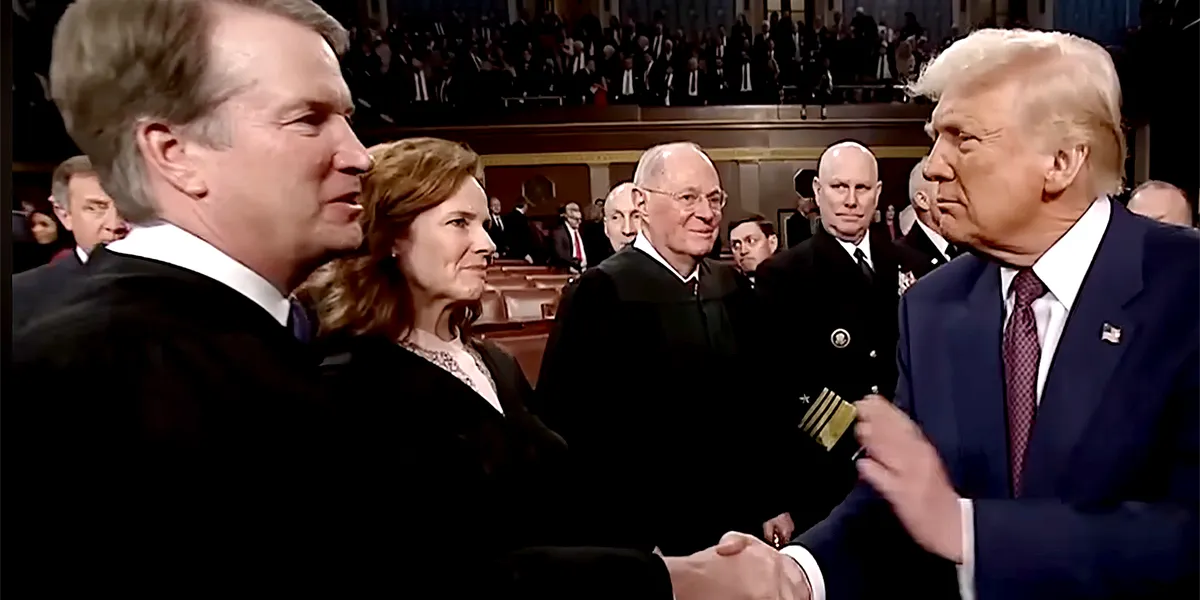





Today, the Supreme Court struck down Trump’s Day One executive order canceling the right to birthright citizenship. Good. That executive order declared that children born in the U.S. would not be considered citizens if their parents were living in the country illegally or were visiting the country on temporary visas.
Read more Steve Bannon rips Trump official for spouting statistics ‘nobody believes’
The executive order never took effect. It was quickly blocked by multiple lower courts because it appeared to directly conflict with the 14th Amendment, which states that “all persons born or naturalized in the United States, and subject to the jurisdiction thereof, are citizens of the United States.”
The Trump regime appealed the lower-court rulings, contending that the 14th Amendment’s citizenship provision had been misunderstood for more than a century. The administration argued that the drafters of the amendment were focused on guaranteeing citizenship for the children of former slaves—and that the amendment was never intended to extend citizenship to the children of people who weren’t living in the country legally.
Trump and his Solicitor General, who argued this case before the Court, also said that narrowing birthright citizenship was necessary to prevent “birth tourism”—the practice of immigrants coming to the U.S. to give birth here and obtain citizenship for their child.
Trump has been vowing to try to change the law since entering politics in 2015, arguing the 14th Amendment was written specifically to enshrine the rights of freed slaves. His critics have countered that it was always designed to apply to the children of immigrants too. A 1898 Supreme Court decision confirmed that U.S.-born children of immigrant parents are entitled to American citizenship.
Today, Chief Justice John Roberts wrote that the deeply-rooted understanding that virtually everyone born on American soil is automatically a U.S. citizen was enshrined in the Constitution with the passage of the 14th Amendment in in 1868: “Citizenship, then and now, was the right to have rights—to freely participate in our political community,” Roberts wrote. “The Framers of the Fourteenth Amendment extended that promise to every free-born person in this land. We keep that promise today.”
In another era, this would have been a no-brainer. No constitutional lawyer I know thought the Court would decide otherwise. The lower federal courts had consistently and unanimously ruled against Trump.
Had Trump won, it would have probably caused panic among recent immigrants and their families. Although Trump has insisted his policy would apply only to future births, it was far from clear that the logic of any win for Trump wouldn’t apply retrospectively if a future president (JD Vance? perish the thought) wanted to go there.
What I find troubling is that the decision was 5 to 4 rather than unanimous or nearly so, as it should have been.
Read more Stanford legal scholar lays bare ‘decadent’ Supreme Court’s ‘radical’ agenda
Only five of the nine justice ruled against Trump on constitutional grounds. Brett Kavanaugh dissented on statutory grounds; while agreeing that Trump’s executive order was unlawful, he argued that the court should have resolved the case under federal immigration law rather than the Constitution.
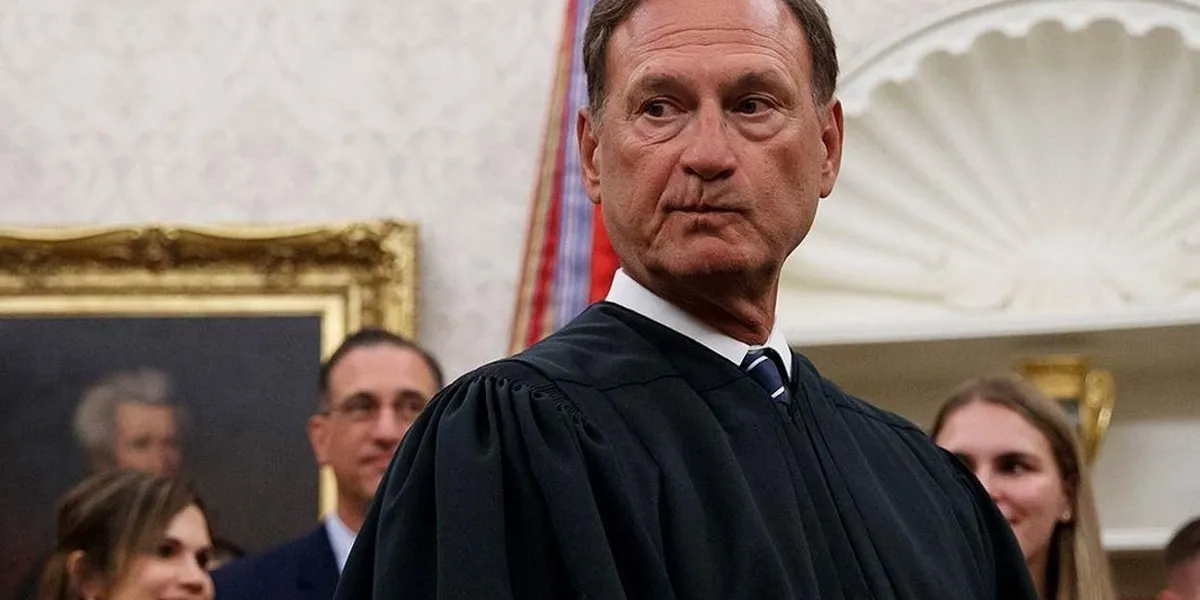
The Court’s three most conservative justices — Clarence Thomas, Neil Gorsuch, and Samuel Alito — dissented. Thomas wrote for the group: “The Court adds to the sad history of the Fourteenth Amendment, which was designed and understood to secure equal rights for the freed blacks but has instead been repurposed for political projects that the Reconstruction Congress did not support.”
Pure and utter claptrap.
Thomas, Gorsuch, and Alito are so far to the right of America that their views on this case and other matters should be presumed bonkers. Yet what’s particularly sobering is that Trump is only one justice away from having a Supreme Court majority that would have gone his way on this absurd reading of the 14th Amendment.
Clearly, the Supreme Court must be changed — either by expanding the number of justices or by invoking term limits on Supreme Court justices. The Constitution would permit both remedies.
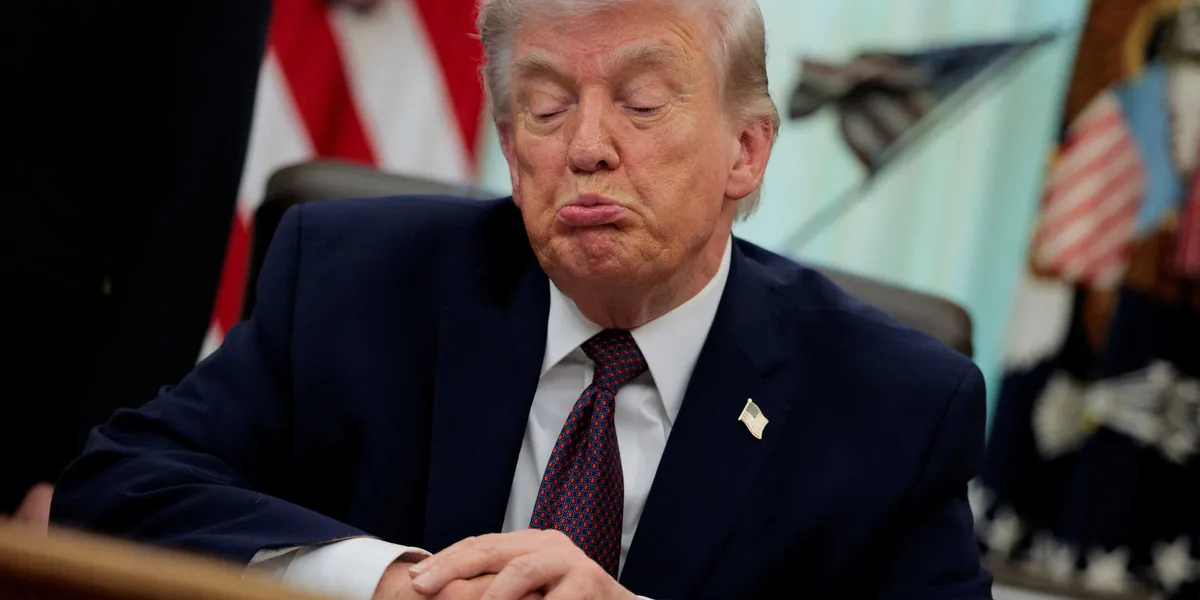
Perhaps the best thing about today’s majority decision is that it’s such a direct repudiation of Tump, who has long taken a personal interest in the issue. During his 2024 campaign, he made curtailing birthright citizenship a key element of his immigration platform.
When the high court heard arguments on the case in April, Trump took the unprecedented step of showing up in person for the hearing, making him the first sitting president ever to attend a Supreme Court argument. For the Court to so directly reject his position today is surely a humiliation for Trump.
Robert Reich is a professor of public policy at Berkeley and former secretary of labor. His writings can be found at https://robertreich.substack.com/.
Read more Mitch McConnell was hospitalized 2 weeks ago. We still don’t know why