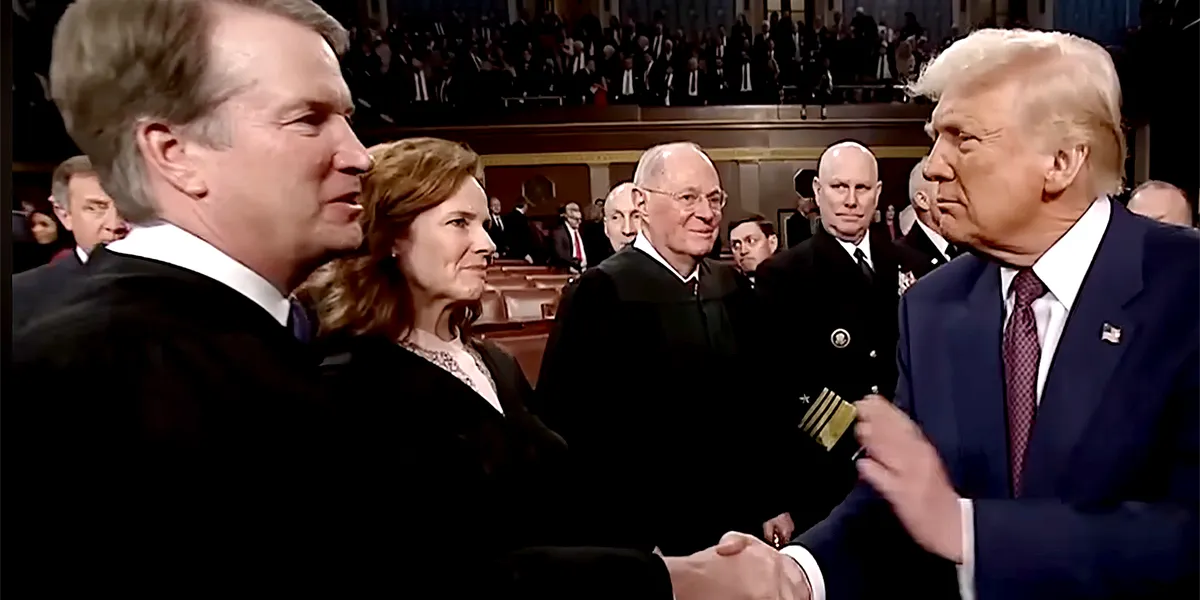

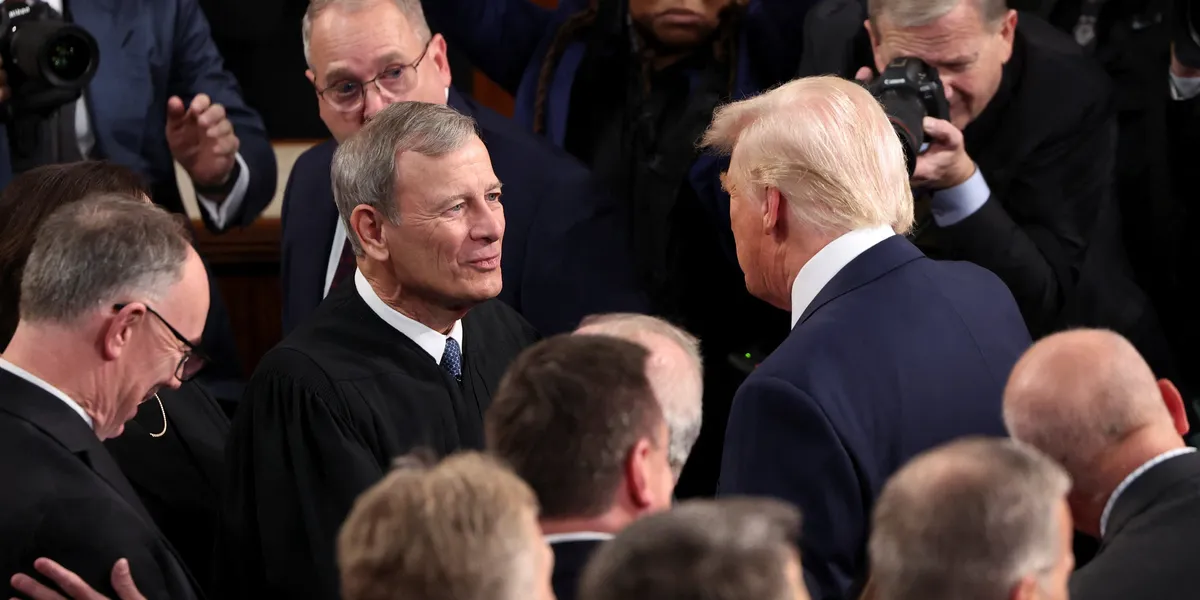
The U.S. Supreme Court as enshrined in the U.S. Constitution, despite President Donald Trump’s best efforts to eliminate it.
Read more ‘Is our president mad?’ Prosecutor sounds the alarm on Trump’s ‘bloodthirsty’ aspirations
The ruling in Trump v. Barbara was handed down on Tuesday morning, as the high court published its final rulings.
Speaking about the arguments before the court, Georgetown University School of Law Professor Steve Vladeck told CNN that there are two different questions in the case.
The first is the constitutional question and the reality of the 14th Amendment being adopted over 150 years ago. The high court conservatives have considered themselves “originalists” in the past to justify their support for a verbatim reading of the Constitution in some instances.
“But there’s a narrower way out in the case,” Vladeck said. “In 1940 and in 1952, Congress enacted statutes that basically codified, wrote into federal law, the Supreme Court’s earlier interpretation of this clause called Wong Kim Ark.”
The 1889 case U.S. v. Wong Kim Ark, in which a man was denied entry after traveling abroad under the Chinese Exclusion Act.
Read more Metadata reveals Trump post about ‘golden gift’ to US is just an AI-generated image
Vladeck explained that the Court could easily say that the executive order signed by President Donald Trump is “inconsistent with the statutes without even getting into the heart of the constitutional question.”
He said that it’s one of the uphill climbs for the administration because they have to win on both. At the time of the oral arguments before the Court, the justices didn’t seem to agree with the administration’s assessment.
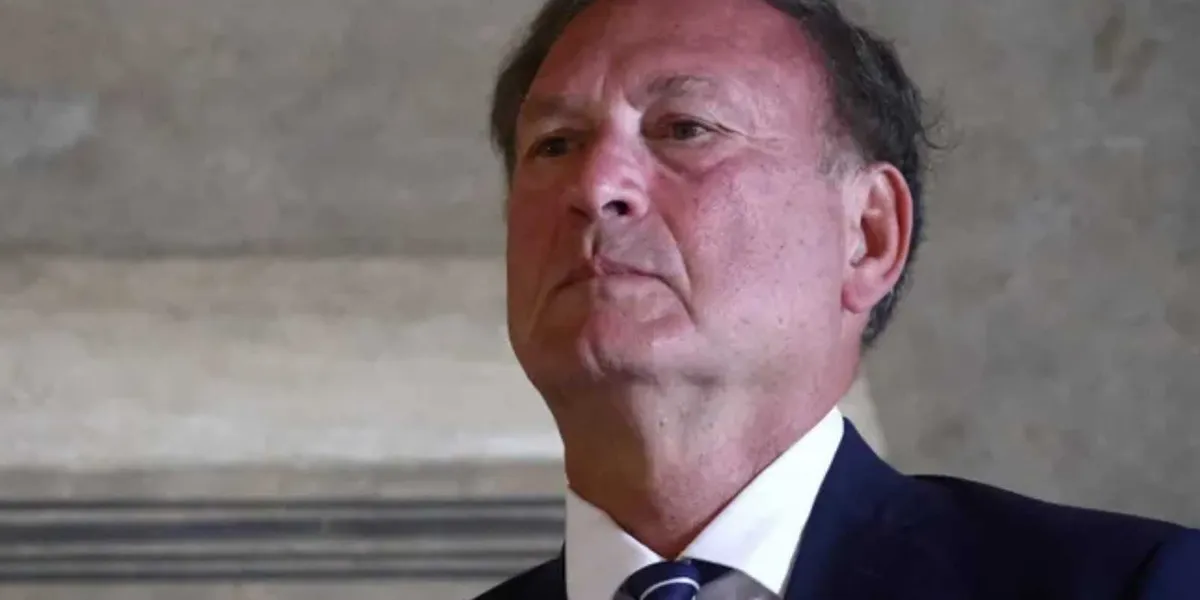
The one stand-out moment was when Justice Samuel Alito cited an old saying by Justice Antonin Scalia involving the so-called “microwave philosophy.” His comment goes that one can’t use a legal excuse, saying that they can’t be guilty of stealing a microwave because microwaves weren’t written into the U.S. Constitution at the time. Alito claimed that birthright citizenship wasn’t even known at the time of the Constitution’s writing.
Michigan University Law School Professor Leah Litman responded to the sentiment on BlueSky, writing, “Sam Alito is open to the federal government’s arguments on birthright citizenship. His [question] is putting forward a framework to justify him saying, ‘Well, illegal immigration didn’t exist at the time of the 14th Amendment so you and I can just do whatever we want!'”
Read more Experts warn Trump’s surprise win could be a ‘temporary sugar high’