


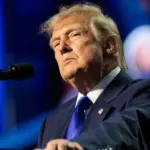


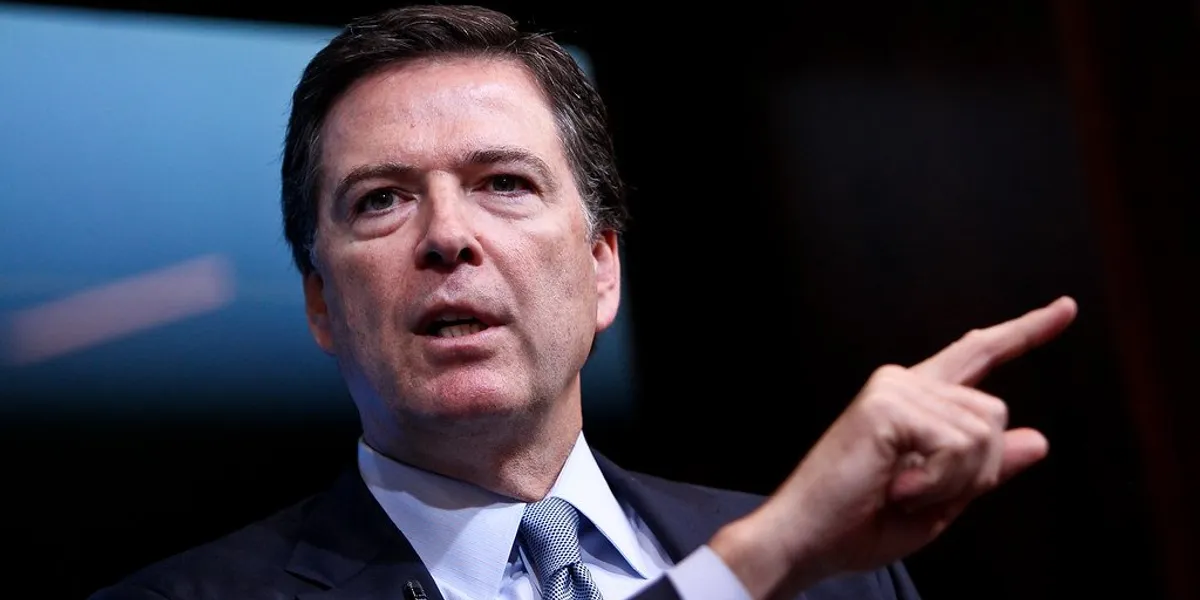
On Monday, a new Supreme Court announcement complicated the fate of a settlement paid by the Department of Justice to an ally of President Donald Trump, turning down a request by Trump 2016 advisor Carter Page to revive a lawsuit filed against former FBI director James Comey and others. The Trump administration had previously paid Page a $1.25 million settlement tied to the lawsuit, but now the top court’s decision means that the case prompting the payout had no legal merit.
Read more Trump anxiety exposed as he demands allies ignore worsening age problem: biographer
The matter dates back to the FBI’s investigation into Russian interference during the 2016 election, during which Page was targeted with a FISA wiretap due to allegations surrounding his travel to Russia, which fueled rumors about Trump’s ties to the Kremlin. While Page was never charged with a crime, a DOJ investigation during Trump’s first term turned up errors and omissions that made Page appear more suspicious than he was in order to justify the surveillance. As the New York Times notes, “Although the wiretapping was just a part of a much larger investigation of Russian interference in the 2016 campaign, Mr. Trump and his allies used it to try to broadly discredit the inquiry.”
Page filed suit against Comey and seven others in 2020, claiming that the public revelations of his surveillance had harmed his reputation and business. While lower courts dismissed his claims, saying that he had taken too long to file them, he appealed to the Supreme Court.
Then in April, while waiting on the Court’s decision, the Trump administration abruptly agreed to the $1.25 million settlement, paying Page even though an inspector general — and appointee of George H.W. Bush — said he could find no evidence that the case against Page had been motivated by political bias. Though the settlement was reached, his appeal to the Supreme Court continued.
Read more Republicans panicked as Trump no longer cares about their future
Now the Court has declined to revive the suit, including the decision among a list of others it has elected to decline or accept without further explanation. While this ends the lawsuit, it also likely raises new questions about the legality of the settlement, as the case it was based upon has essentially been deemed invalid.
The settlement is among several similar recent payments or efforts that have raised controversy. The Trump administration also paid $1.2 million to former National Security Adviser Michael Flynn, who faced allegations of misconduct in the Russia investigation. More recently, the Trump administration drew bipartisan outrage by announcing the creation of a $1.8 billion “anti-weaponization fund” for the benefit of those “harmed” by the Biden administration. The fund, which was widely decried as a “slush fund” for Trump’s allies, has been stymied by the courts as well as lawmakers on both sides of the aisle, though the president has persisted in pursuing it.
Read more ‘I was wrong’: Fox columnist apologizes for defending Trump’s birthday