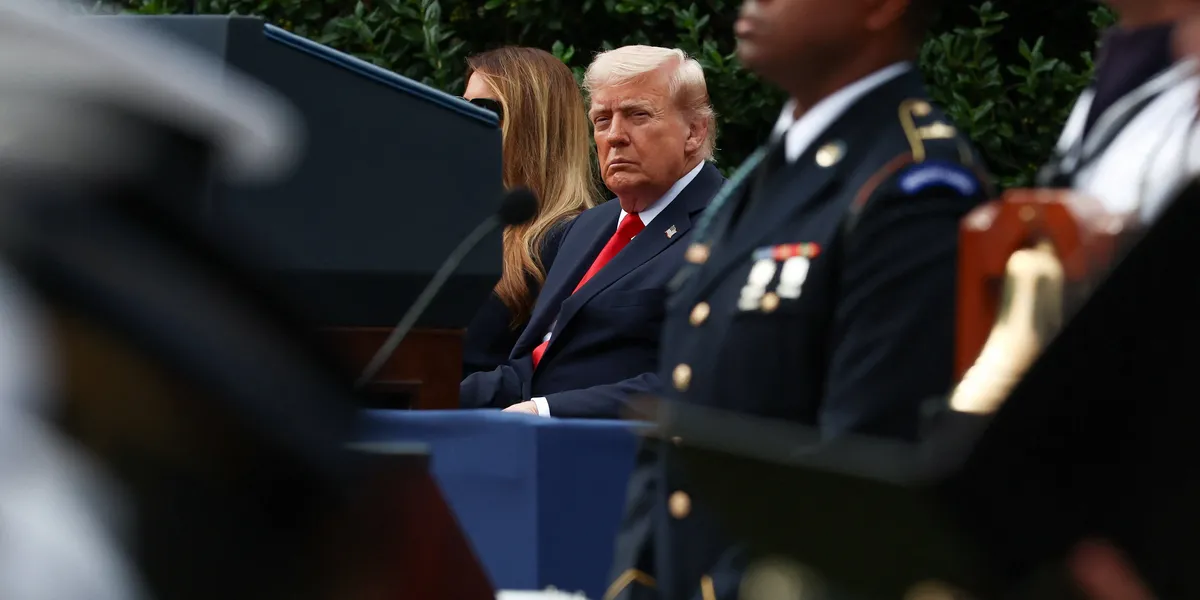





As President Donald Trump’s Iran war enters its fourth month, a prominent retired Lt. General is pressing the commander-in-chief to level with U.S. troops in the Middle East and tell them whether a plan exists.
Read more Inside a plan to save America from MAGA’s ‘thieves and vandals’
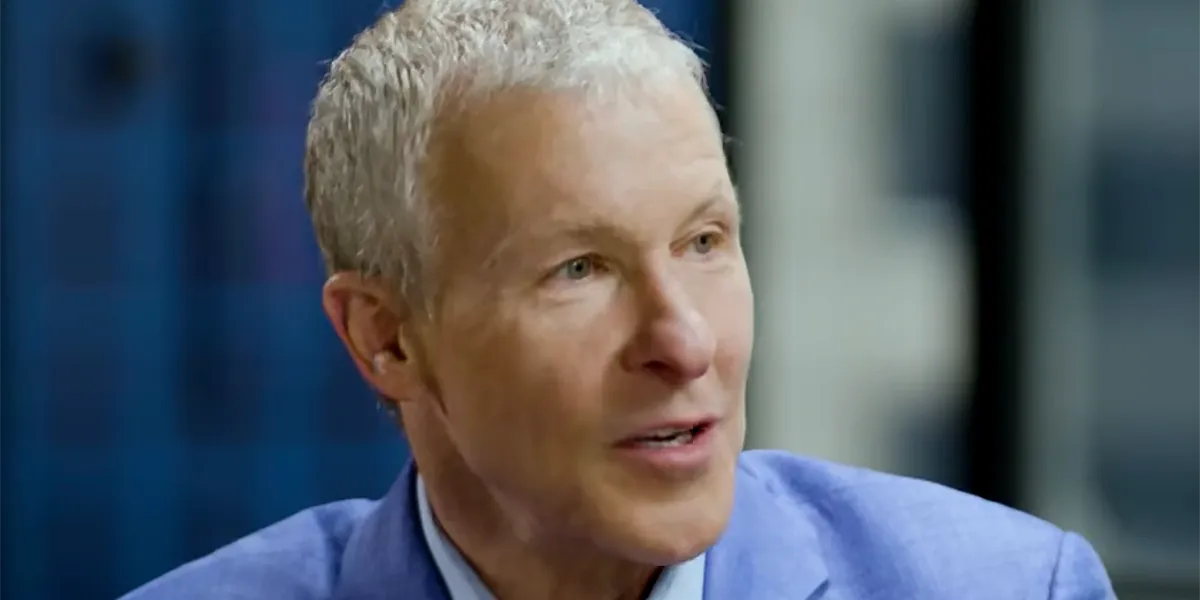
Lt. Gen. Mark Hertling (Ret.) served as commander of U.S. Army Europe from 2011 to 2012. He also served in Iraq.
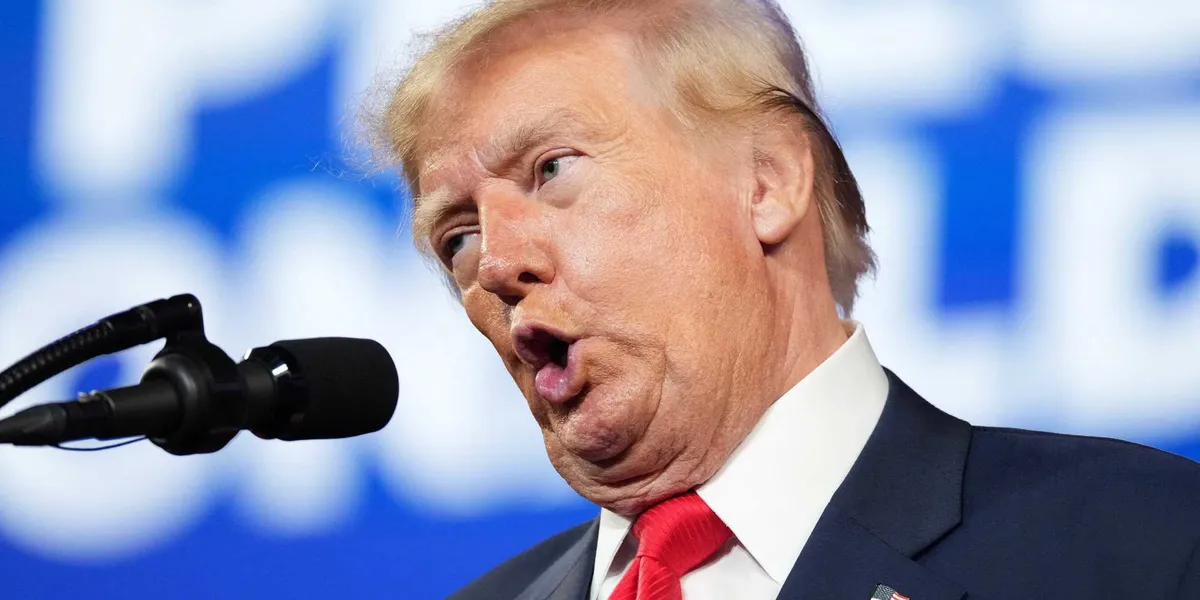
Writing at The Bulwark, Hertling pointed to President Trump’s explosive “Meet the Press” interview from Sunday, citing his remarks that it “costs us very little” to keep troops where they are.
“I think we’ll keep them there until such time as we have a completion,” Trump told NBC’s Kristen Welker. “And when we have a completion, you will see things like you’ve never seen.”
Hertling says that while the president may not have intended more than quick remarks, those remarks “land differently” for America’s military families, deployed service members, and allies. He warns, “comments from senior leaders matter.”
“They raise questions that should have been answered long ago,” says Hertling. “Is there a plan? Is there a timeline? Has a decision been made? Has anyone informed the commanders and troops whose lives will be affected as to whether they might stay or go?”
There was also Trump’s remark that he doesn’t define whether his Iran excursion is an actual war: “I don’t think about it. I just do what I have to do.”
Read more MAHA’s treatments for autism: Camel’s milk, stem cell injections — and spelling therapy
Hertling recounted his time in Iraq, when his division had been in combat for a year and was planning to return home. One-third of the 20,000 troops had already left, but when the “security situation deteriorated” and violence increased “dramatically,” rumors quickly spread that the troops might be forced to cancel their return home and extend their stay.
“Soldiers began asking questions: Were we staying? For how long? What did this mean for families already preparing for our return?” he wrote. “Eventually, the decision came through official channels: The division would remain in Iraq. Even the soldiers who had already returned home would have to come back.”
While the “disappointment was searing,” troops and their families understood, because the decision to stay “was tempered by mission clarity.”
“The mission had changed because conditions on the ground had changed,” he explained. “The decision came through the chain of command. Commanders explained the operational realities. Soldiers understood the purpose, even if they didn’t like the outcome. Nobody celebrated the extension, but most accepted it because they understood why it was necessary.”
America’s soldiers can take bad news, says Hertling. They can handle “hardship, separation, and danger far longer than most people imagine—as long as the mission is clear and they know all the sacrifice is worth it.”